
 admin
admin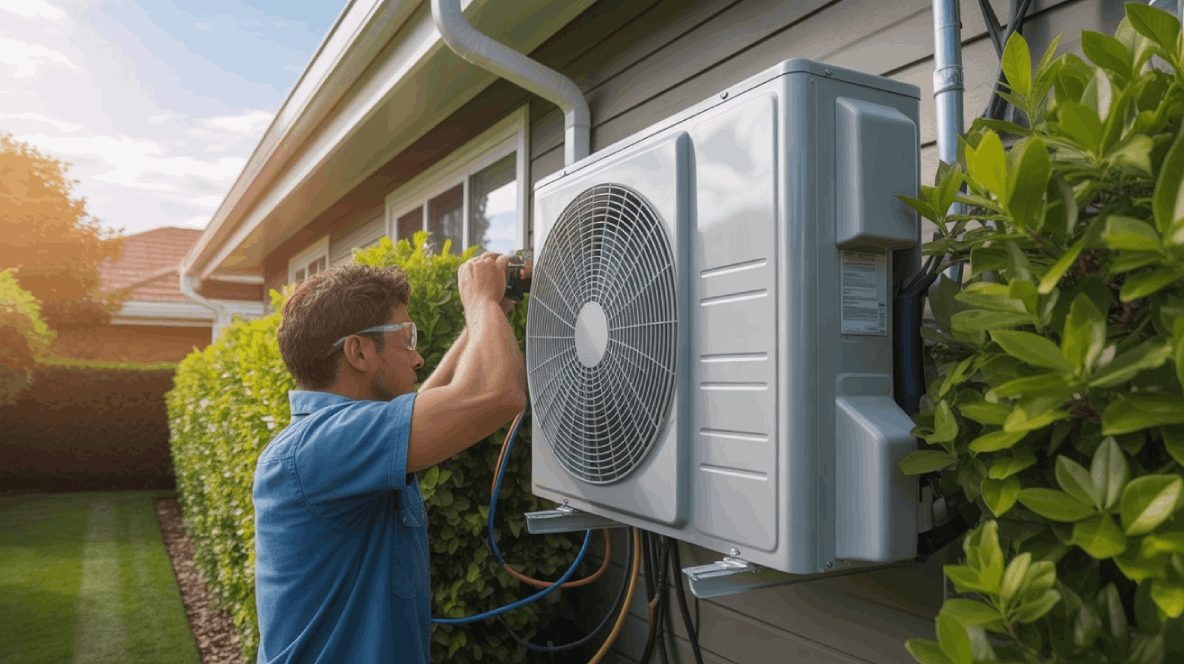
Many homes and buildings contain rooms that are difficult to heat or cool effectively using traditional HVAC systems. These spaces often suffer from poor airflow, inadequate ductwork, or unique architectural features that prevent consistent temperature control. Mini split solutions have become increasingly popular for addressing these challenges because they offer a flexible, efficient alternative to conventional heating and cooling methods. A mini split system consists of an outdoor compressor unit connected to one or more indoor air-handling units through refrigerant lines. Unlike central HVAC systems, mini splits do not require ductwork, making them ideal for rooms where installing ducts is impractical or impossible.
One significant advantage of mini splits is their ability to provide zoned climate control. Each indoor unit can be operated independently, allowing users to set different temperatures in various rooms according to individual preferences and needs. This feature enhances comfort while reducing energy consumption by avoiding the unnecessary conditioning of unoccupied spaces. For hard-to-cool or heat areas such as sunrooms, basements, additions without existing ducting, or converted attics, mini splits deliver targeted performance without extensive remodeling.
Installation flexibility is another key benefit of Mini Split systems. The relatively compact size of the indoor units allows them to be mounted on walls, ceilings, or even recessed into ceilings for a discreet appearance. The outdoor compressor can be positioned away from windows and living spaces to minimize noise disturbance while maintaining efficient operation. Additionally, modern mini splits come with advanced inverter technology that adjusts compressor speed based on demand rather than cycling on and off repeatedly like traditional units. This results in quieter operation and improved energy efficiency throughout the year.
Mini splits also excel at providing both heating and cooling capabilities in one integrated system. Many models use heat pump technology that extracts warmth from outside air even during cold weather conditions and transfers it indoors efficiently. This dual functionality makes them suitable for climates with varying seasonal requirements without needing separate appliances for heating and cooling.
Maintenance demands for mini split systems are generally low compared to conventional setups since there are no ducts requiring regular cleaning or sealing repairs prone to leaks over time. Routine filter changes along with occasional professional servicing help keep the system running smoothly.
In summary, mini split solutions offer an effective way to manage temperature control challenges in rooms hard to cool or heat by providing customizable zoning options combined with easy installation flexibility and energy-efficient operation tailored specifically for those tricky spaces within any building layout.
